Falling-object containment
Defined catch or separation systems around suitable storage, maintenance or overhead work zones.
Defined systems for operational facilities
Industrial safety nets require a defined hazard, performance requirement and controlled installation plan. Servani Safety Nets discusses suitable netting for selected fall, falling-object, separation or bird-entry applications only after the facility team identifies loads, structure, machinery, environment, access and competent approval requirements.
Business enquiries are open 24 hours, every day.
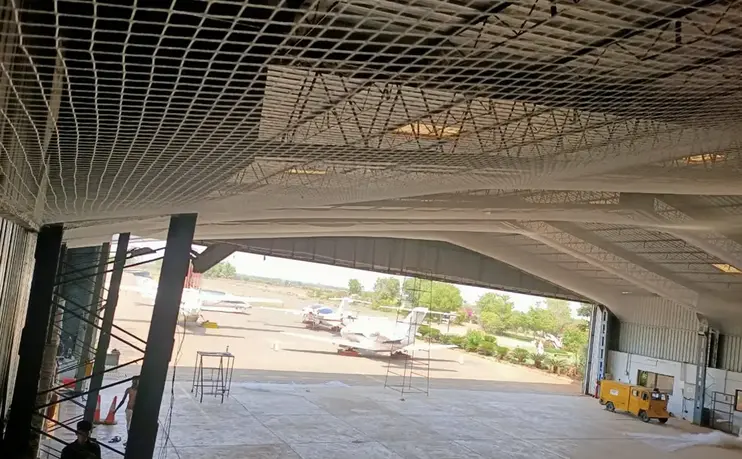
Site details before installation
Industrial netting is not one heavy-duty product; worker fall, object, machine and bird risks require different systems.
Quick answer
Define the industrial risk
An industrial facility may ask for personnel fall protection, falling-object control, storage or work-zone separation, bird exclusion or conveyor-side containment. These purposes do not share one material or performance requirement.
The facility should provide the hazard assessment, required standards, loads, drawings, environmental exposure and operational restrictions. Heat, sparks, chemicals, oils, moving machinery and vehicle routes can make an ordinary net unsuitable.
Netting must not be treated as machine guarding, a platform or a substitute for another required control unless the competent project authority has designed and approved that exact use. Inspection, cleaning, access and replacement responsibilities should be documented.
Service gallery
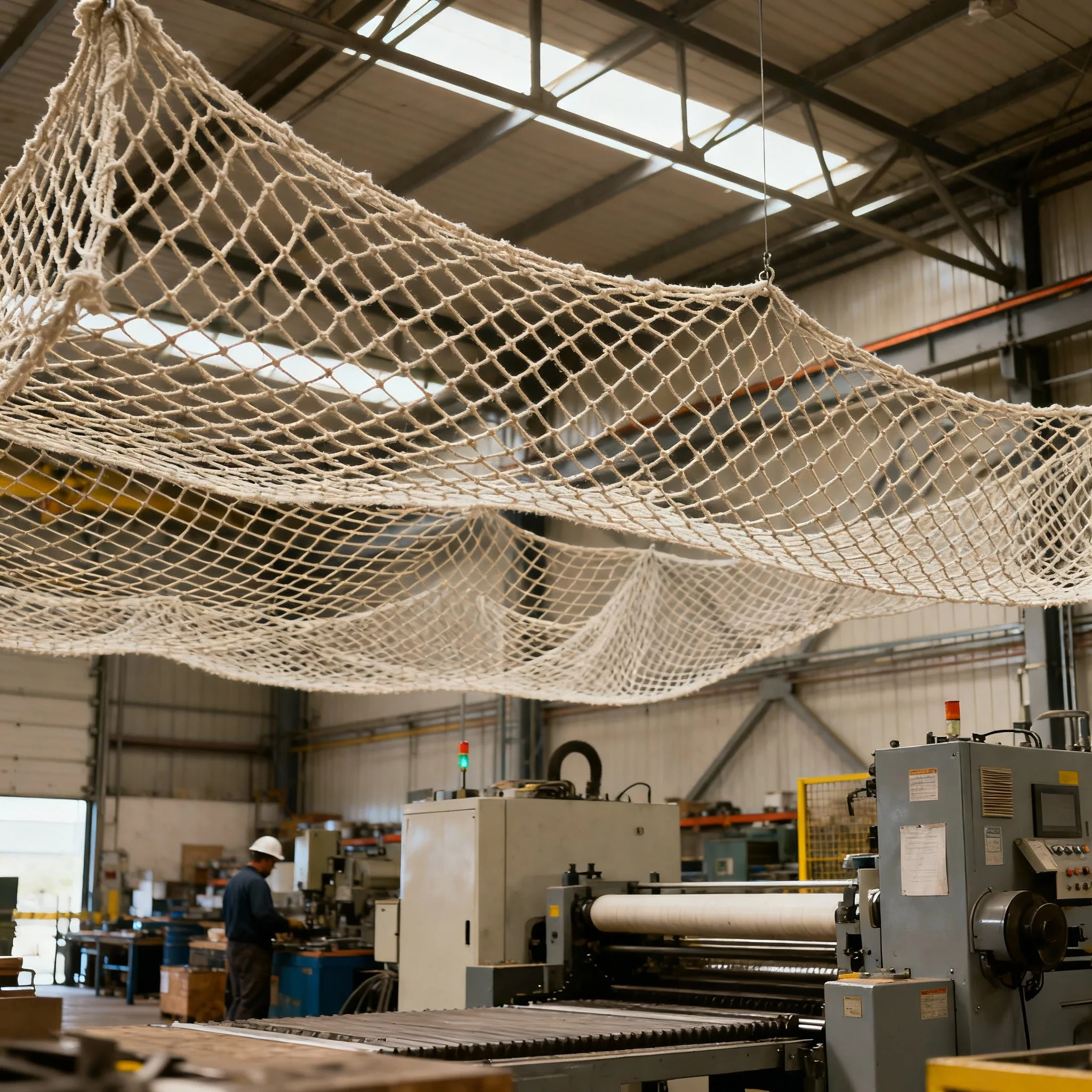
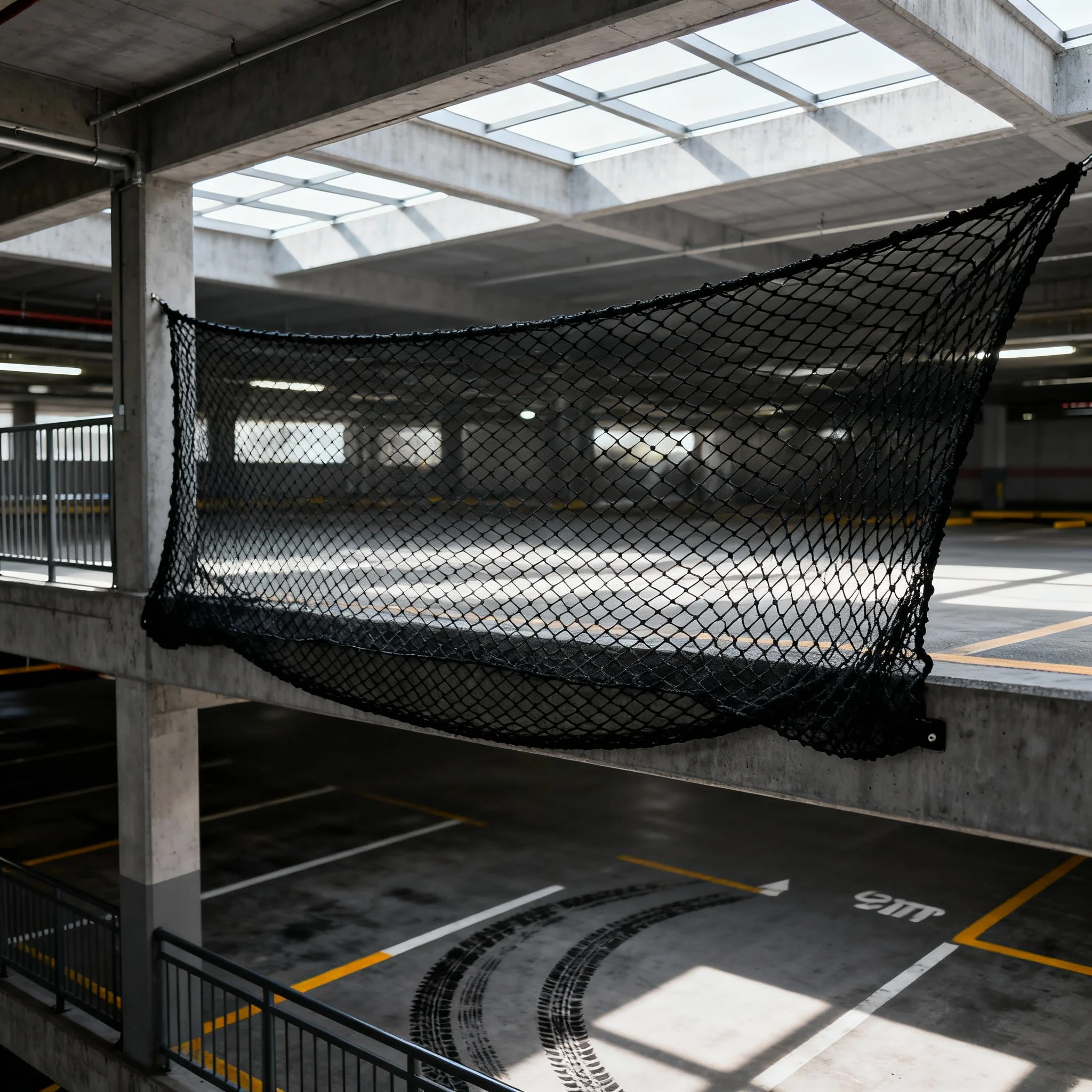
Common applications
Each area should be scheduled by hazard and operating condition.
Defined catch or separation systems around suitable storage, maintenance or overhead work zones.
Approved personnel protection applications with engineered support, clearance, rescue and inspection.
Roof, loading or service openings where species, equipment and maintenance access are reviewed.
Selected visual or lightweight containment boundaries that are not mistaken for machine guards.
Commercial comparison
The procurement document should state the hazard, operating environment and responsible approval.
Purchase intent
How the work is measured
Quantities follow approved net faces and systems; supports, access and controls are separate items.
Industrial pricing depends on performance, environment, operating restrictions, structure and documentation as much as net area. A residential per-square-foot rate is not a suitable procurement basis.
Choose the right service
Service process
The facility provides purpose, drawings, loads, environment, operations and responsible contacts.
Structure, machinery, traffic, isolation, access, rescue and maintenance are examined with the facility team.
Materials, supports, work method, documentation and inspection responsibilities are agreed.
Work follows facility permits and isolation rules and is handed over after required acceptance.
Before you approve the work
Local service
We handle enquiries across Bengaluru. Send your neighbourhood and site photos so access and measurement can be discussed before a visit.
Frequently asked questions
They may be specified for defined personnel-fall, falling-object, separation, storage or bird-control applications. Each use requires its own performance, support and operating review.
Cost depends on the approved system, area, material, mesh, supports, environment, height, access, operational restrictions, testing and documentation. A generic square-foot rate is incomplete.
Do not assume so. Moving machinery normally requires purpose-designed guarding and controls. A flexible net can be used only where the responsible facility authority has approved that exact role.
Bird exclusion mesh addresses animal entry, not personnel falls or heavy objects. Never transfer a bird-net specification to another hazard without formal review.
Identify heat, flame or spark exposure, chemicals, oils, UV, dust, moisture, corrosion, cleaning agents and any contact with moving equipment or vehicles.
The facility should appoint competent safety, engineering and operational personnel to approve the specification, supports, work method, inspection and ongoing use.
The facility must define inspection frequency, competent persons, records and rejection criteria, including checks after impact, repair, relocation, chemical exposure or operational change.
Provide the hazard and intended use, drawings, quantities, performance requirements, environment, supports, access, operating restrictions, documentation needs and responsible facility contact.
Send the facility location, hazard assessment, drawings, required performance, quantities, supports, environment, access, operating restrictions and responsible safety or engineering contact.
Open 24 hours, every day for enquiries.